Delta Force Soldiers Who Fell in Somalia and Were Never Brought Come
Some men go to war and come home. Others come home in flag-draped coffins, carried by the hands of their brothers. And then there are those whose bodies were dragged through foreign streets while the watching world looked away.
This is a story about the last kind.
October 3, 1993. Mogadishu, Somalia. A mission that was supposed to last an hour stretched into one of the most brutal firefights American forces had endured since Vietnam. When the dust finally settled the next morning, eighteen American soldiers were dead. Among them were men of the 1st Special Forces Operational Detachment-Delta, known simply as Delta Force, whose final hours revealed a quality of courage that defies easy description.
Mission is Important
Operation Gothic Serpent had been grinding on for months. Delta Force operators, alongside Army Rangers and helicopter crews from the 160th SOAR, were tasked with capturing lieutenants loyal to Somali warlord Mohamed Farrah Aidid. The October 3rd mission was meant to snatch two of his key advisors from a building in the heart of the city.
It should have been straightforward. It was anything but.
When two UH-60 Black Hawks were shot down by rocket-propelled grenades, the entire operation transformed into a desperate survival fight against thousands of armed militia fighters. Delta operators, Rangers, and pilots found themselves pinned down, bleeding, and fighting block by bloody block through streets they had never expected to die in.
The Names Behind the Sacrifice
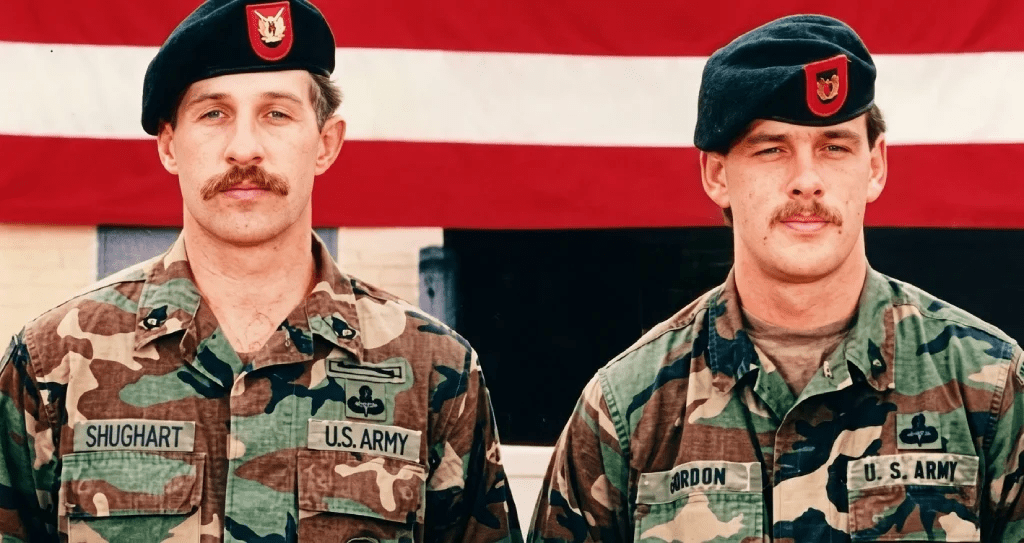
Master Sergeant Gary Gordon and Sergeant First Class Randall Shughart made a choice that still stops people cold when they hear it.
From their circling helicopter, they watched fellow soldiers trapped at the second crash site. A downed Black Hawk. A wounded pilot, Chief Warrant Officer Michael Durant, unable to move on his own. Gordon and Shughart asked twice to be inserted and defend that position. Then they asked a third time. They knew what they were flying into.
Their request was finally granted.
Both men fought until their ammunition ran out. Gordon was killed first. Shughart found Gordon’s rifle, handed it to Durant along with the remaining rounds, and kept fighting. He was killed shortly after.
Both were posthumously awarded the Medal of Honor, the first such awards since the Vietnam War. Their valor was beyond question. But their deaths, and the chaos that followed, opened a wound in American military consciousness that has not fully healed since.
When the Bodies Were Not Brought Home With Dignity
What followed the battle made the grief even harder to carry.
Footage aired across international television networks showing the body of a fallen American soldier being dragged through the streets of Mogadishu. The images were deliberate, searing, and intended to humiliate. For the families of the fallen and for the American public, it hit like a blow to the chest.
The remains of Gordon, Shughart, and the other Delta operators who died that day were eventually returned to the United States. But the way some soldiers were treated before recovery, and the political firestorm that followed, forced a painful national conversation. A conversation about when America sends its best people into harm’s way and what it truly owes them in return.
President Clinton ordered U.S. forces out of Somalia within months. The debate over military intervention, mission creep, and the cost of commitment measured in human lives has never fully ended.
The Quiet Ones Who Served
Delta Force, by its nature, operates in near-total anonymity. The operators who fought and died in Mogadishu did not seek recognition. Their families often could not speak publicly about what their loved ones did, where they served, or how they died. Not for years. Some still carry that silence as a kind of secondary grief.
The names of all eighteen Americans killed in the battle are known today. Books like Mark Bowden’s Black Hawk Down and the film that followed brought their stories into wider public awareness. But even that level of recognition does not fully restore what was taken from the men themselves, from their families, or from the country that sent them.
For anyone who wants to understand what that kind of service costs on a deeply personal level, the story of Tomas Young offers another window into the toll that combat and its aftermath can leave on a human being long after the shooting stops.
What Their Sacrifice Still Means
The men who fell in Somalia were not there for glory. They were there because they were the best at what they did, because their country asked it of them, and because leaving a downed crew to die alone was simply not something they were capable of doing.
That is what makes their story worth remembering. Not the politics surrounding the mission. Not the policy failures that left them exposed. But the deeply human decision made at the center of chaos to stand and fight for the people beside them.
Their names deserve to be spoken clearly and without the noise of politics around them.
Gary Gordon. Randall Shughart. And the fifteen others who never came back from a street in Mogadishu.
Leave a Comment