Tomas Young A Soldier Whose Life Changed Forever
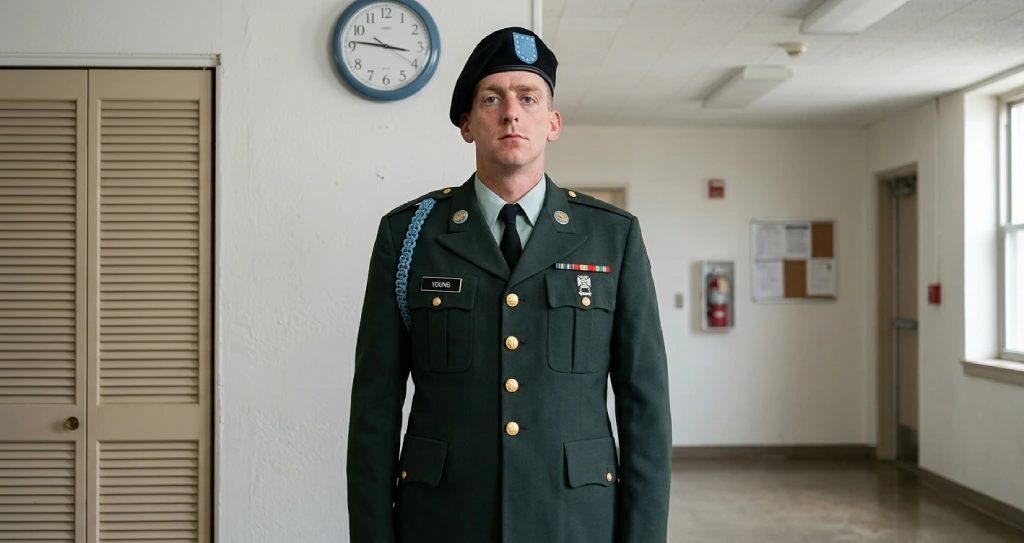
Some stories stay with you long after you finish reading them. The story of Tomas Young is one of those.
He was not a general. He was not a politician. He was a 22-year-old kid from Kansas City who signed up to serve his country two days after watching the Twin Towers fall. He wanted to do something meaningful. He wanted to protect the people he loved.
What happened to him in Iraq changed everything, and not just for him.
Early Life And Decision To Enlist
Tomas Young grew up in Kansas City, Missouri, as a quiet and thoughtful young man. By most accounts, he was the kind of person who paid attention to the world around him. He cared about things. He had opinions. He was not sleepwalking through life.
When September 11 happened, he felt what millions of Americans felt. Grief. Anger. The urge to act. So he walked into a recruitment office and signed up for the Army.
He believed he was going to Afghanistan. That was where the attack had been planned. That was where, in his mind, he could make a difference.
He ended up in Iraq instead.
The Day Everything Changed In Iraq
On April 4, 2004, just five days after arriving in Iraq, Tomas Young was riding in an open truck through the city of Sadr City in Baghdad. The convoy came under ambush. A bullet entered his shoulder and traveled down through his spine.
He was 24 years old.
That single moment paralyzed him from the chest down. He would spend the rest of his life in a wheelchair, dependent on others for basic daily needs. The body that had carried him into service would never carry him freely again.
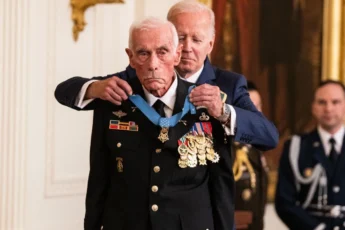
Stories like his are not rare in the context of war, but they are rarely told with this level of raw honesty. If you want to understand the kind of courage it takes just to survive, this account of a Medal of Honor hero who refused to leave his men behind offers a similar window into what soldiers carry on the battlefield.
Life After Injury And Daily Struggles
Coming home was not a celebration. It was a new kind of war.
Tomas dealt with chronic pain, repeated surgeries, blood clots, and a body that fought against him every single day. He required a feeding tube. He struggled with the physical and emotional weight of a life he had not chosen.
His marriage fell apart. His health continued to decline. There were periods when he openly said he was tired of fighting to stay alive.
But even through all of that, he did not go silent.
What is often missed in war injury survival stories is the part that happens after the cameras leave. The quiet mornings that are harder than any battlefield. The phone calls to the VA that go nowhere. The feeling of being forgotten by the country that sent you to fight.
Tomas experienced all of it. And he talked about it openly, which took its own kind of bravery.
From Soldier To Anti-War Voice
Tomas Young became one of the most recognized anti-war veterans in America, not because he hated soldiers, but because he loved them too much to stay quiet.
He appeared in Phil Donahue and Ellen Spiro’s documentary Body of War, which followed his life after returning from Iraq. The film showed everything: his physical struggles, his grief, his anger, and his courage. It was not comfortable to watch. It was not meant to be.
He was featured on Democracy Now and discussed in coverage by NPR, where he spoke candidly about the decision to invade Iraq and what it had cost thousands of young Americans like him.
In 2013, as his health declined severely, he wrote an open letter to George W. Bush and Dick Cheney. It was not written in anger alone. It was written with the weight of a man accounting for what had been taken from him and from others. He asked for acknowledgement. He asked for accountability. He never got it.
He died on November 10, 2014. He was 34 years old.
Legacy And What We Can Learn
Tomas Young’s story does not fit neatly into a patriotic narrative or an anti-government one. It fits into something more complicated and more important: the truth.
He was a young man who acted out of love for his country. He paid an enormous price. And then he used whatever energy he had left to make sure people understood what that price actually looked like.
The Iraq war veteran story is not a single story. It is thousands of them. Many are still being lived quietly by veterans who struggle with injuries, addiction, mental health crises, and a sense that nobody is paying attention. Tomas gave those stories a face and a voice.
What we can learn from him is simple. Honoring a soldier does not mean ignoring their suffering. It means looking directly at it.
Final Thoughts
Tomas Young did not die on a battlefield. He spent ten years dying slowly in a home, far from the country he had gone to fight in. He did not have the ending anyone would have chosen for him.
But he had something rare: the willingness to speak honestly about what war does to the people it uses. He turned his pain into testimony. He turned his anger into advocacy. He turned his limited time into something that outlasted him.
If his story moves you, sit with that feeling. Then ask yourself what it means to truly support the people we send to war, not just when they leave, but when they come back carrying something they can never put down.
That is the least we owe them.

Leave a Comment