The Complete Veteran’s Guide To Building A Bug-Out Bag In 2026
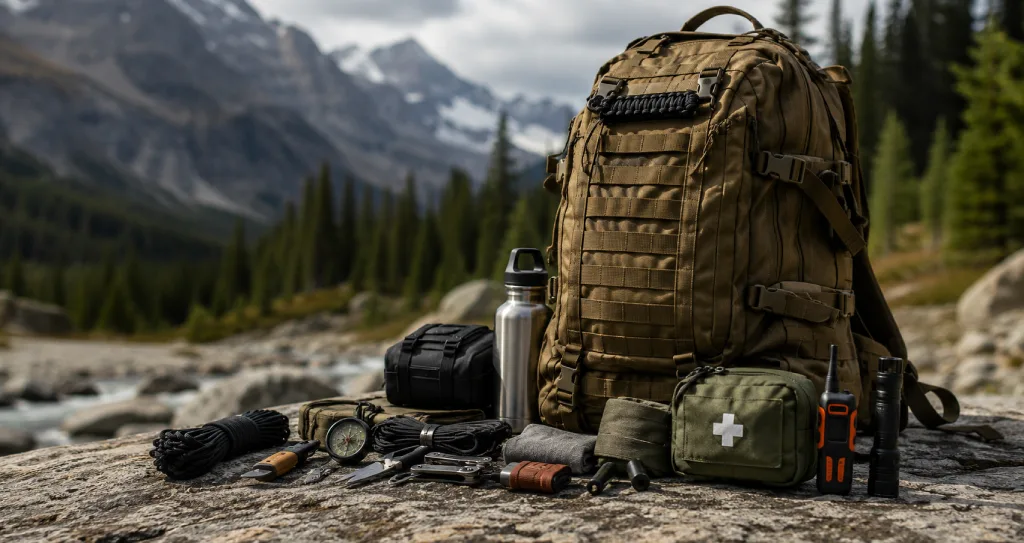
Most people pack a bug-out bag like they’re going on a weekend camping trip.Veterans know better.After years of training for worst-case scenarios the approach to emergency preparedness looks completely different and for good reason.
This guide breaks down exactly how to build a bug-out bag that actually works when everything else fails.
Why Veterans Build Better Bug-Out Bags
Military service teaches you one thing above all else: preparation isn’t about gear it’s about systems.A veteran doesn’t just throw supplies into a pack.Instead they think through the missio where are you going, how long will you be out and what threats are you preparing for?
However that mindset alone isnt enough.You also need the right gear packed the right way in the right order.
Moreover most civilian bug-out bag lists are bloated with stuff that sounds good but adds useless weight. Veterans cut through the noise fast.
The Complete Veteran’s Guide To Building A Bug-Out Bag: Core Categories
1.The Bag Itself
Start here because the wrong pack ruins everything else.A 72-hour emergency bag should sit between 25 and 35 liters.Additionally it needs a padded hip belt, adjustable shoulder straps and MOLLE webbing for modular attachments.
The Condor 3-Day Assault Pack and Mystery Ranch 2-Day Assault Pack are both field-proven options.That said any quality pack with proper load distribution will do the job.2.
2.Water and Hydration
Water is your first priority full stop Therefore carry at minimum two liters on your person plus water purification as a backup A Sawyer Squeeze filter weighs next to nothing and handles thousands of gallons.
Furthermore water purification tablets are a smart secondary option.They take up almost no space and can be critical if your filter gets damaged.
3.Food For 72 Hours
You don’t need gourmet rations.In fact, high-calorie compact and no-cook food is all you need.Think mountain house meals protein bars and emergency food rations rated for 3,600 calories.
Overall aim for 1,200 to 1,500 calories per day minimum.More if you’re moving through rough terrain.
4.Shelter and Warmth
Hypothermia kills faster than hunger.As a result your shelter kit needs to be non-negotiable Pack a lightweight bivy a tarp or emergency tube tent and at least one Mylar emergency blanket.
Beyond that a compact sleeping bag rated 10 degrees below your expected low temperature adds real protection without much weight.
5.First Aid and Medical
A veteran’s med kit looks different from what you’d find at a pharmacy. For example, it includes a tourniquet (CAT or SOFTT-W), hemostatic gauze, a chest seal, and a pressure bandage.
Additionally add basic medications antihistamines ibuprofen and any personal prescriptions Finally include a trauma shear and medical gloves.
Don’t Trust Your Phone
Cell towers go down in disasters.Therefore always carry a physical map and compass as your primary navigation tools.A Suunto A-10 compass is reliable affordable and built to last.
Moreover a hand-crank emergency radio covers NOAA weather alerts and keeps you informed when digital communication fails.
The Veteran Mindset: Pack It Like a Mission
Furthermore organize your bag in layers Items you need fastest tourniquet water emergency blanket go in the top pouch or outer pockets.Shelter and food go deeper in the main compartment.
However don’t just pack it once and forget it.Rotate food and water every six months.Check batteries.Replace any expired medications.Additionally rehearse your bug-out route at least twice a year on foot, not just on a map.
Final Thoughts
Building a veteran grade bug out bag in 2026 isn’t about spending the most money or carrying the most gear.In fact it’s the opposite.It’s about knowing exactly what you need why you need it and how to use it under pressure.

Leave a Comment