Pat Tillman Left The NFL To Serve His Country And His Family Is Still Searching For The Truth
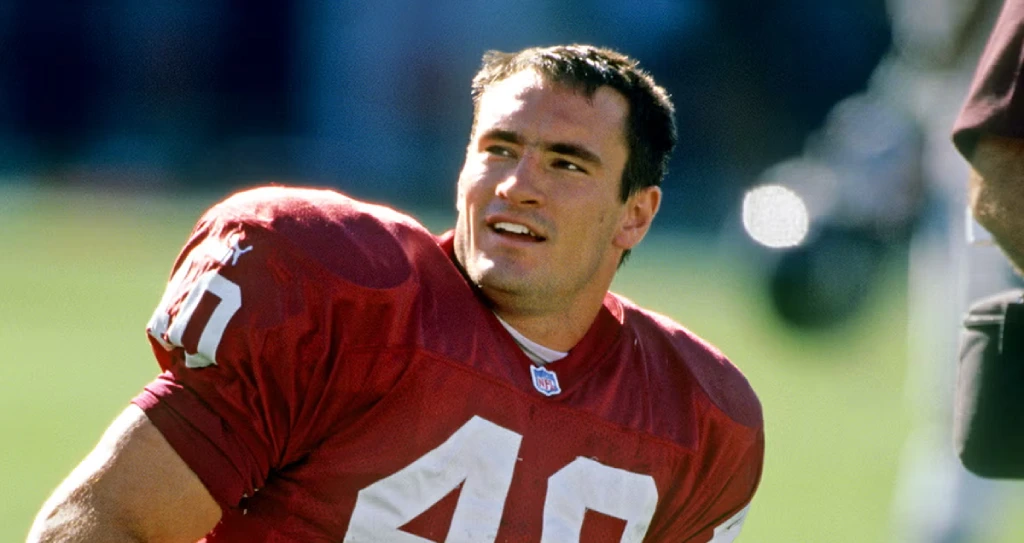
In April 2002, Pat Tillman walked away from a three-year, $3.6 million NFL contract with the Arizona Cardinals. No dramatic press conference. No farewell tour. He simply decided that something mattered more than football.
He enlisted in the U.S. Army alongside his brother Kevin, shortly after the September 11 attacks. Tillman had turned down a contract extension before the season even started, choosing service over stardom in a move that stunned the sports world.
His decision was not made for headlines. In fact, Tillman refused nearly every media request and turned down opportunities to be used as a military recruitment symbol. He wanted to serve quietly, as a soldier, not a celebrity.
That quiet dignity makes what happened next all the more painful.
From The Football Field To Fort Benning
Patrick Daniel Tillman was born on November 6, 1976, in San Jose, California. He was an undersized linebacker who was told throughout his career that he was too small, too slow, and too limited to play at the highest level. He proved those critics wrong repeatedly.
After graduating from Arizona State University with a 3.84 GPA, Tillman was drafted by the Arizona Cardinals in the seventh round of the 1998 NFL Draft. He quickly became a starter, earning a reputation as one of the most tenacious defensive players in the league. His combination of intelligence and intensity set him apart.
But Tillman always carried a restlessness that football could not satisfy. He read widely, kept journals, and asked hard questions about the world. When the September 11 attacks happened, something shifted in him that no contract or spotlight could hold back.
Deployment And The Reality Of War
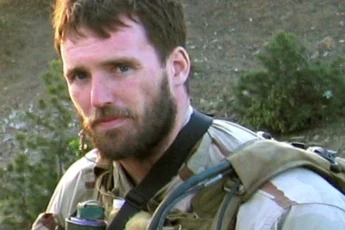
Tillman completed Ranger School and was deployed to Iraq in 2003 as part of Operation Iraqi Freedom. He later served in Afghanistan, where he reportedly grew increasingly critical of the war’s justification and direction. Letters and journal entries recovered after his death suggest he had serious doubts about the mission, and had even arranged to meet with prominent anti-war intellectual Noam Chomsky after returning home.
He was not the uncomplicated patriot that the Pentagon would later build its narrative around. He was a thinking man in a complicated war.
On April 22, 2004, Pat Tillman was killed in the mountains of eastern Afghanistan’s Kunar Province. He was 27 years old.
The Story That Was Never True
Within days of Tillman’s death, the military released a story that Tillman had died heroically charging an enemy ambush. He was posthumously awarded the Silver Star for valor. The story spread immediately across every major news outlet. A fallen hero. A football star turned soldier who gave everything.
The problem was that the story was false.
Tillman had been killed by friendly fire. Members of his own unit, in a chaotic moment of confusion in a narrow canyon, had fired on his position. Three bullets struck him in the forehead at close range, a pattern that later led Army medical examiners to flag the wounds as unusual and worth investigating.
The Army knew the truth within days. Senior commanders knew. Yet the official account of an enemy ambush was maintained for weeks. His family was not told the truth until more than a month after his death, after a military memorial had already taken place with the fabricated story still intact.
A Family That Refused To Let It Rest
Pat’s mother, Mary “Dannie” Tillman, and his father, Patrick Tillman Sr., did not accept the official account quietly. His widow, Marie, also joined the effort to understand what had truly happened.
Dannie Tillman spent years demanding records, pushing for congressional hearings, and publicly challenging a military and government that seemed more interested in protecting a narrative than honoring the truth. Her book, “Boots on the Ground by Dusk,” published in 2008, documented the family’s search for answers with unflinching honesty.
Congressional hearings in 2007 produced some accountability. Several generals were found to have acted improperly in managing and concealing the friendly fire findings. But no one faced serious criminal charges. No senior official was held meaningfully responsible for the cover-up.
The family’s core questions were never fully answered. Who ordered the Silver Star to be awarded based on false information? Who specifically decided to withhold the truth from the family for over a month? Why were Tillman’s personal journals and body armor allegedly destroyed shortly after his death?
These questions remain open.
What His Story Connects To
The Tillman case is not unique in the sense that wartime cover-ups have a long history. But the scale of this particular deception, and the fame of the soldier involved, forced a rare moment of public scrutiny onto how the military manages information and protects its image.
For those interested in the deeper human stories of soldiers whose lives were transformed or ended by the wars in Iraq and Afghanistan, the story of Tomas Young offers another perspective worth reading. Young enlisted the same day as Tillman, was severely wounded in Iraq, and spent years speaking openly about the cost of those wars. Together, their stories frame what sacrifice can look like, and what institutions often fail to honor.
Why The Truth Still Matters
Some argue that friendly fire is a tragic but inevitable part of war, and that the circumstances of Tillman’s death should not overshadow his service. That argument misses the point entirely.
The Tillman family has never denied the tragedy of friendly fire. What they have never accepted is the deliberate deception that followed. A family was lied to. A nation was manipulated. A soldier’s actual beliefs and complexity were erased to serve a recruiting narrative.
Tillman himself had reportedly told fellow Rangers that he did not want his death used for political or military propaganda. That wish was ignored almost immediately.
His journals, which could have provided the fullest record of his thinking, were allegedly burned by fellow soldiers after his death. The Army has never provided a satisfactory explanation for why.
FAQ’s
Why Did Pat Tillman leave The NFL?
Tillman enlisted in the U.S. Army after the September 11, 2001 attacks, turning down a significant NFL contract because he felt compelled to serve his country. He enlisted alongside his brother Kevin in May 2002.
How Did Pat Tillman Really Dde?
Tillman was killed by friendly fire on April 22, 2004, in Afghanistan’s Kunar Province. Members of his own Ranger unit fired on his position during a chaotic engagement. The Army initially reported he had died in an enemy ambush, a story that was later proven false.
Did Anyone Face Consequences For The Cover-Up?
Congressional hearings in 2007 found multiple senior officers had acted improperly. However, no criminal charges were filed and no one received more than a formal reprimand. The Tillman family has consistently argued that the accountability was insufficient.
What Has The Tillman Family Done Since His Death?
His mother Dannie wrote a book documenting the family’s search for truth. His widow Marie founded the Pat Tillman Foundation, which provides scholarships to veterans and military spouses. The family has continued to advocate for transparency and accountability.
What Happened To Pat Tillman’s Journals?
Tillman kept detailed personal journals throughout his service. According to testimony from fellow soldiers, the journals were burned after his death. No official explanation for this has been accepted by the family.
Conclusion
Pat Tillman’s story is not simply a story of sacrifice. It is a story of what happens when institutions prioritize image over truth, and when a family refuses to be silenced.
He left a celebrated career, a loving wife, and a comfortable life because he believed in something larger than himself. He deserved honesty in return. His family deserved it. The public deserved it.
The search for full accountability is not finished. If his story matters to you, follow the work of the Pat Tillman Foundation, read the documented accounts of what happened in Afghanistan, and support the ongoing culture of honest reporting on military service and its costs.
Truth is the least any soldier is owed.
Leave a Comment